
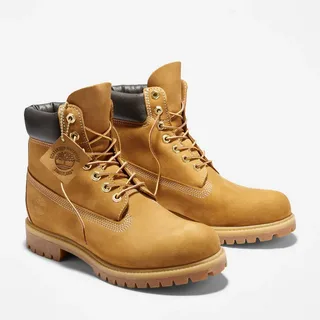
Winter is tough. Air is dry. Ground is hard. Plastics get stiff. Fabrics snap if bent wrong. Boots fail when tiny cracks start at stitch holes, corners, or cold glue lines. The good news. You can stop most of it with calm stitch geometry, smart thread, small needles, and a few test habits. Build for cold on day one, and the boot keeps its voice when the snow squeaks.
Why cold cracks happen
Cold makes materials shrink and turn rigid. A tight curve tries to open. A short stitch line becomes a dotted tear. Glue can lose tack if pressed wrong or if the upper is icy. Add salt and grit and the edge gets chewed. Cracks begin at three places. Hole clusters. Sharp corners. Hard thick stacks that cannot move. Fix those three and you win many miles.
Place seams where the boot can flex
- Move seams off the hinge. The forefoot bends near the first met head. Shift seams 5 to 8 mm away so they do not pump.
- Use big corner radius. Aim for 6 to 8 mm. Tight corners pack holes and become a crack start in freeze.
- Keep long seams straight where you can. Straight lines spread load, curves concentrate it.
- Avoid vertical chimneys in vamp and quarter. Break them with soft steps or closed loops.
Stitch length, SPI, and path
- Longer stitches help in cold. Construction lines 3.0 to 3.5 mm. Visible rails 3.5 to 4.0 mm. Fewer holes means less stress.
- Keep SPI moderate. Too many holes form a perforation path that splits in freeze.
- For high wear rails, use double rail rather than one dense row. Two slim lines 2 to 3 mm apart share load and sit flatter.
- Press stitch channels before top lines. A shallow groove lets sewing machine thread sit a little lower so scuff does not cut the filament.
Thread choices that stay strong when icy
- Corespun polyester sewing thread for most uppers. It holds strength in cold, resists wet, and does not go brittle.
- Bonded nylon only where you need scuff fight, like toe or heel guards. In deep cold, nylon can stiffen, so use the smallest ticket that still passes tests.
- High tenacity polyester in thin tickets is great for safety rails. Small thread means small holes.
- Use low friction sewing finish to lower needle heat. Keep silicone free near bonds so glue sticks well in cold press.
Needle type and size
- Micro point for coated synthetics and vegan leather. Clean pierce, no slicing.
- Ball point for knit collars and textile wings. It parts yarns instead of cutting.
- Size matters. Start NM 80 to 90 in most stacks. Go to NM 90 to 100 only where very thick. Smaller holes slow crack starts.
- Coated needles help keep friction heat low. Hot needle on cold film can gloss and weaken the edge.
Materials and layers that play nice in freeze
- Uppers. Use cold flexible PU or TPU coated fabrics that keep bend at minus temperatures.
- Foams. Choose open or microcell foams that do not turn to wood in the cold.
- Counters and toe puffs. Pick grades with low temperature flex. A counter that stays alive keeps the heel cup from pumping and peeling the bond.
- Rands. A flexible rand around the toe and medial side shields the seam from ice chips.
Bonding that actually works in winter
- Warm parts to room temperature before cement. Cold parts trap moisture and kill bond.
- Rough the sidewall evenly. No shiny spots.
- Follow the open time and coat count from the supplier. Cold air slows flash, so time may shift.
- Press with proper dwell and pressure, then add a cool clamp 2 to 3 seconds. This sets memory so edges do not lift when they first see cold.
Water and salt control
- Salt crystals grind threads and edges. Use anti wick polyester in splash seams like eye stay and tongue base.
- Keep the sidewall stitch 2.5 to 3.0 mm above the feather line so holes do not sit in the salt ridge.
- Add drain paths only where needed and cover them with mesh from inside.
Simple tests to run before you scale
- Freezer flex
Put stitched coupons and full uppers in a freezer at minus 20 C for 4 hours. Flex 10k cycles right out of the box. Inspect for first whitening, micro cracks at holes, and film lift. If whitening starts at corners, increase radius or lengthen stitch. - Cold peel on sidewall
Press outsole to upper per spec. Cure 24 hours at room. Then sit at minus 20 C for 2 hours. Test 90 degree peel at toe and heel. If peel is low, adjust open time or press dwell. - Salt slush scuff
Rub stitched edges with a salt water sand slurry for a fixed count. If thread fuzzes, drop needle size or switch to a smoother corespun. - Shock bend
Bend a cold upper 90 degrees once quickly. Look for snap lines at dense stitch zones. Reduce SPI there or move the seam.
Troubleshooting quick table
| Problem | Likely cause | Fast fix |
| Cracks along stitch row | Short stitch or big needle | Lengthen to 3.5 to 4.0 mm, drop needle one size |
| Corner splits in freeze | Tight radius and hole crowding | Radius 6 to 8 mm, double rail and reduce SPI |
| Bond lifts after first cold walk | Wet parts or bad open time | Warm parts before cement, follow open time, cool clamp |
| Gloss track at seam | Needle heat on cold film | Coated needle, slower speed, low friction finish |
| Salt creep into tongue | Wicking along seam | Anti wick thread, smaller needle, add narrow bond lane behind seam |
Tech pack lines you can copy
- Stitch construction 301 length 3.2 mm, top lines 3.8 mm, double rail 2.5 mm apart at guards
- Thread corespun polyester Tkt 40 runs, Tkt 30 at rails, anti wick in splash areas
- Needles micro point NM 80 to 90 synthetics, ball point for knit parts, coated type
- Corners radius 7 mm minimum on vamp and foxing turns
- Bonding warm parts, same family film lanes 3 to 4 mm, cool clamp 2 to 3 seconds
- Sidewall stitch height 2.8 mm above feather line
One week pilot plan
Day 1 build three uppers with different stitch lengths and corner radii.
Day 2 bond to outsoles with two press dwells.
Day 3 freezer flex 10k at minus 20 C.
Day 4 cold peel at toe and heel.
Day 5 salt slush scuff on rails.
Day 6 fix two biggest issues, usually needle size and corner radius.
Day 7 freeze the spec and send to the size run.
Wrap
Cold weather cracking is not random. It is geometry and materials. Put seams away from hinges. Make corners soft. Keep stitches longer and holes small. Choose threads that stay strong in freeze. Warm parts before bonding and clamp cool. Test in a freezer, with salt, and with fast bends. Do this and your winter boots will bend, not break, when the thermometer falls.